


Winter Care Guide for Hearing Aids
Editor’s note — September 24, 2026
The historical guide contradicts itself about whether to dress before or after putting on hearing aids. Do not treat either sequence as established advice; follow the instructions for your device or ask a hearing-care professional.
Cold weather can expose hearing aids to three problems described in Tingoton's winter-care guide: condensation, faster zinc-air battery drain and static electricity. Low temperatures, movement between cold and warm spaces, and dry indoor air can each affect devices. The recommendations below come from the company's guide; users should also follow the instructions for their own hearing aids and accessories.
1. Limit condensation
When someone enters a warm room from the cold, moisture may condense inside a hearing aid. The guide says this can corrode delicate components and lead to quieter sound, distortion or loss of output. Drying may restore a mildly affected device, while severe moisture exposure can cause failure.
Tingoton advises opening the battery compartment before bed when the device design permits and placing the aid in a drying box. It suggests using an electronic drying box once or twice a week for deeper drying. After coming indoors, it suggests warming the aid gradually in the hand or keeping it briefly with a desiccant pack in a pocket to reduce the temperature difference. These handling suggestions should be checked against the device manufacturer's instructions.
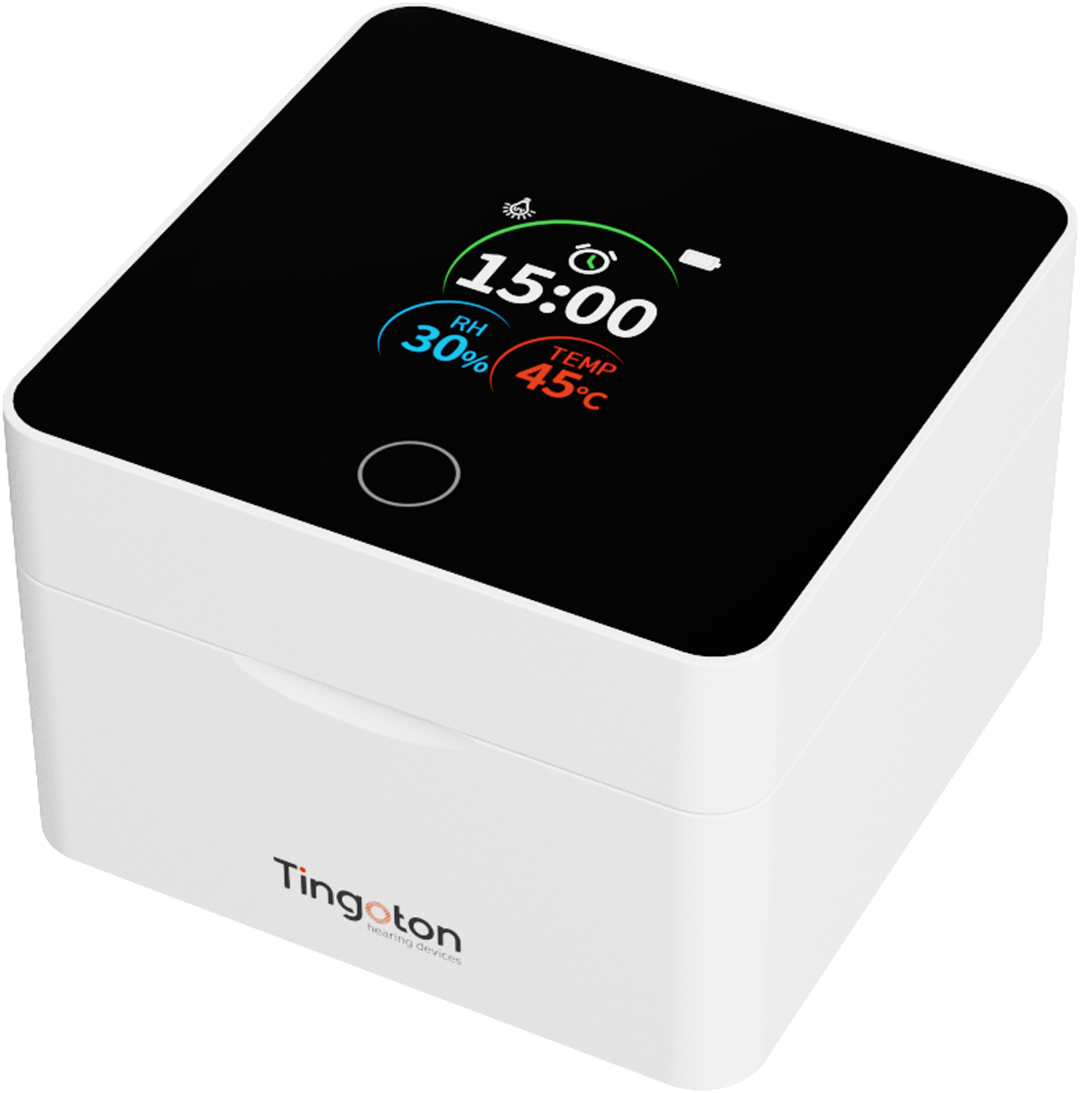
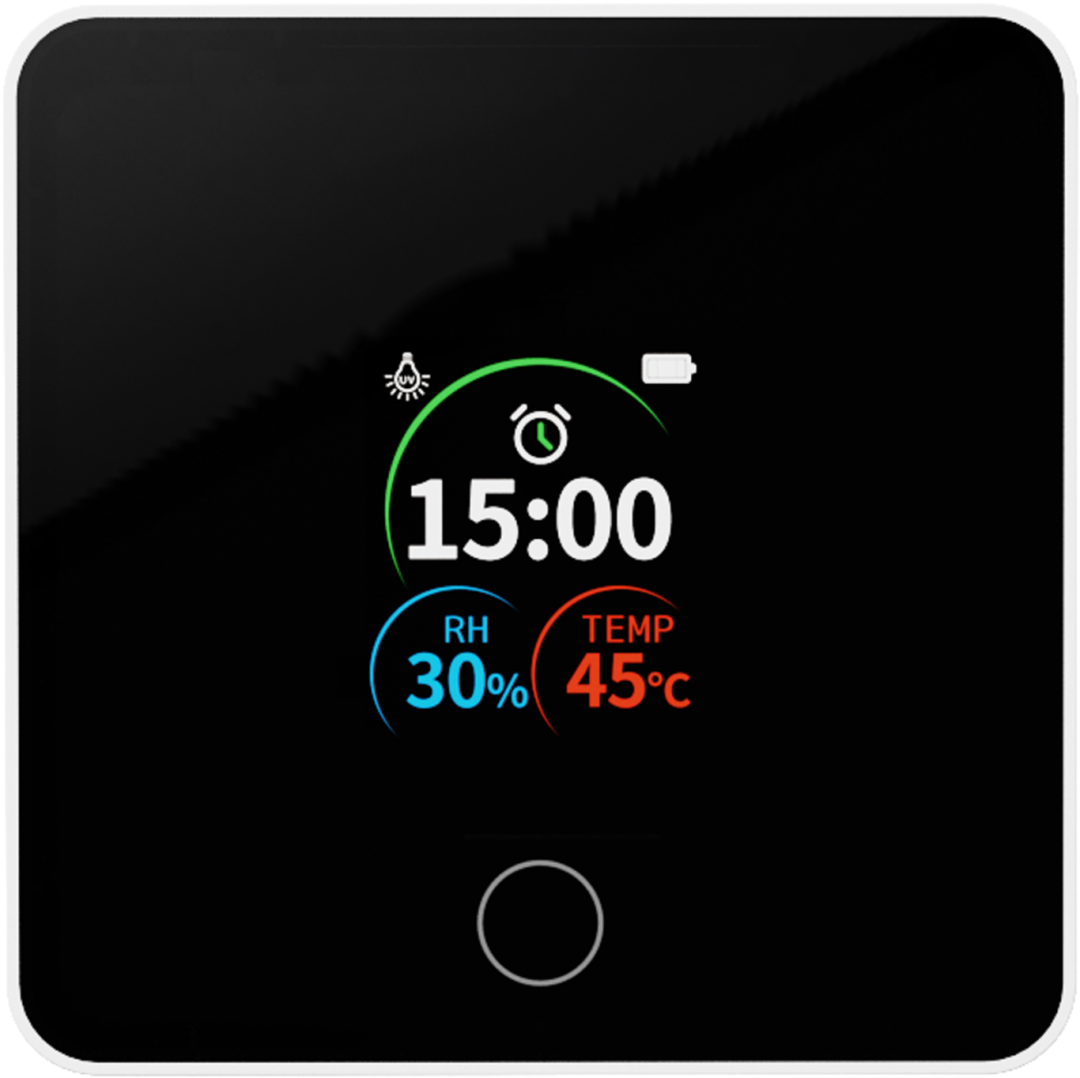
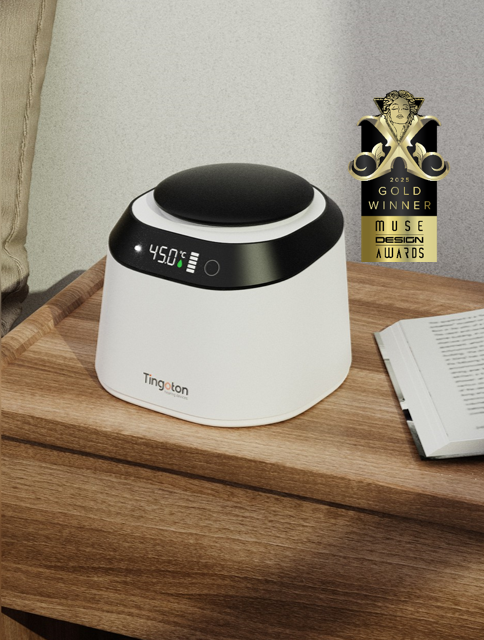
The company presents its T90 AI-display electronic dryer as an option, claiming constant-temperature drying, a UV lamp, quiet airflow and a rechargeable lithium battery for portable use. For more extensive care it promotes the mini Space Capsule vacuum device, which it says combines vacuum dehumidification, UV treatment, controlled-temperature drying and one-button operation. These are Tingoton's product descriptions, without comparative outcome data in the announcement.
2. Manage battery drain
Cold can slow the chemical reaction in zinc-air batteries, the guide says. It claims that a battery normally lasting a week might last only two days under some winter conditions. It recommends avoiding storage in a cold car or near a window, carrying spare batteries separately from the hearing aid, and waiting one to two minutes after removing a new battery's seal so air can activate it at room temperature.
Tingoton also promotes its hearing-aid batteries, claiming fresh dating, resistance to corrosion and leakage, mercury-free construction, stable output and lasting power. These are the company's product claims rather than independent comparative findings.
3. Reduce static electricity
Dry winter air and clothing friction can create static discharge. The guide says it may damage hearing-aid circuitry or cause a temporary fault or loss of programming. The historical guide gives conflicting advice about whether to put on hearing aids before or after dressing. Follow the device instructions or a hearing-care professional's advice for handling around static-prone sweaters or down jackets. It also suggests maintaining indoor humidity and touching a metal doorknob or pipe before inserting or removing an aid to discharge static.
Tingoton concludes that winter maintenance calls for dry, appropriately warm storage and careful daily handling, and recommends professional care products where suitable.
About Tingoton
The source footer says Hangzhou Tingoton Technology Co., Ltd. was founded in December 2018 in Hangzhou's Binjiang high-tech district. It describes a team with experience in clinical medicine, audiology, information technology, design and electronic engineering that develops products for hearing centers and people with hearing loss.



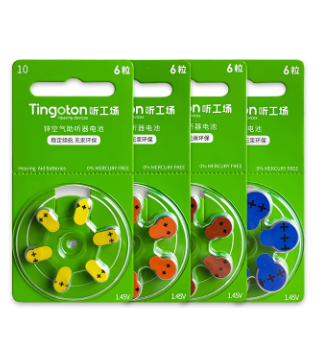
Four green Tingoton battery packs show sizes 10, 13, 312, and 675. The Chinese package text identifies zinc-air hearing-aid batteries and describes them as mercury-free/environment-friendly; each visible pack says six cells. The English “0% MERCURY” appears on the packaging.
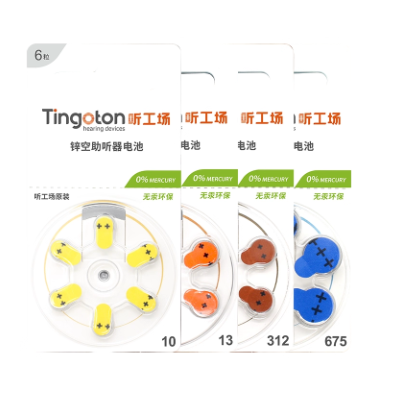
The white-front packaging identifies Tingoton zinc-air hearing-aid batteries, marked “0% MERCURY” and “mercury-free/environment-friendly.” Visible sizes are 10, 13, 312, and 675, with six cells per pack.