

A Practical Guide to Children's Hearing Health
Hearing helps children learn language, communicate and explore their surroundings from birth. Hearing difficulties can affect speech, learning, social participation and wellbeing, making early identification and appropriate support important.
Possible risk factors
- Family history of hearing loss.
- Premature birth or low birth weight.
- Newborn conditions such as high bilirubin, birth asphyxia or respiratory distress in premature infants.
- Congenital infections, including cytomegalovirus or rubella.
- Exposure during pregnancy or infancy to medicines toxic to hearing.
- Other factors, including craniofacial differences and smoking or alcohol use during pregnancy.
Newborn hearing screening
The article recommends a hearing screen for all newborns between 48 hours after birth and hospital discharge. It says babies who do not pass should be rescreened within 42 days and, if they do not pass again, referred to a hearing diagnostic center within three months. These are the source's stated timelines; families should follow their own clinicians and current local protocols.
Otoacoustic emissions (OAE) and automated auditory brainstem response (AABR) are common, noninvasive and quick screening methods for newborns and infants. Screening can help identify a hearing concern early enough to arrange further evaluation and support.
Hearing observations from birth to age three
- At six months: a baby does not look for the source of a sound.
- At 12 months: a child does not respond when called nearby or cannot produce single-word sounds.
- At 24 months: a child cannot follow an adult's instructions, imitate speech without watching mouth movements, or speak intelligibly to others.
- At 36 months: speech remains unclear or absent, the child repeatedly asks others to repeat themselves, or frequently relies on gestures to express wishes.
These observations are prompts for assessment, not diagnostic criteria by themselves.
Everyday hearing care
- Limit prolonged loud noise from television, music players and other sources; use suitable hearing protection when needed.
- Feed infants carefully to reduce choking. Keep water out of the ear canal and take steps to prevent outer-ear infection.
- Arrange periodic hearing checks even after a passed newborn screen, especially for children at higher risk.
- Watch hearing and language milestones, such as looking toward sounds around six months and understanding simple instructions around one year, and seek professional advice when development seems unusual.
Support after hearing loss is identified
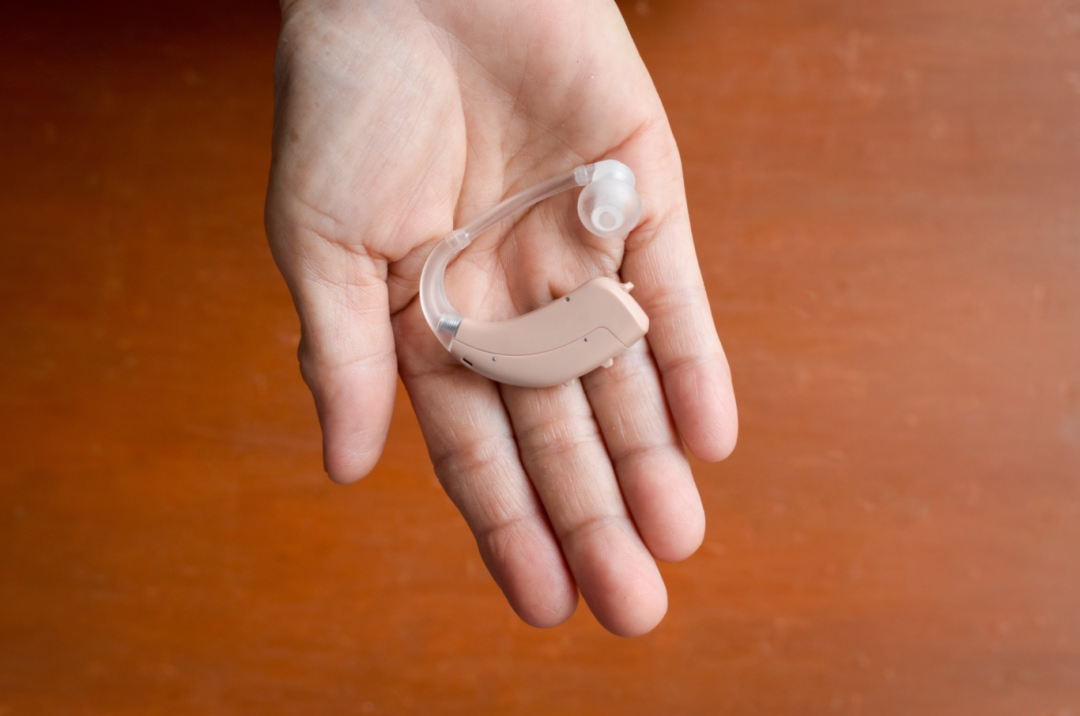
Parents need not face an identified hearing difficulty alone. Early assessment and intervention may improve a child's hearing access and language development. Depending on the child's needs, options described in the article include hearing aids or cochlear implants, professional auditory and language rehabilitation, and sustained family support. The appropriate approach requires individual clinical evaluation.
References listed by the article
- Technical Specifications for Child Ear and Hearing Care (2013).
- WHO, children's hearing and language-development milestones (2023).
- Chen Ping and Wang Zhinan, discussion of typical infant hearing development at different ages (2021).
- Wang Cui, review of early human hearing development and hearing management for premature infants (2024).
- Guidelines for diagnosis and intervention in hearing loss among infants and young children (2018).