

Make Hearing Care Part of Your 2026 Health Plan
Hearing loss can develop gradually, and people may notice it only after conversations become difficult or tinnitus appears. An annual health plan can include attention to hearing, alongside other routine health concerns. The article cites a World Health Organization initiative for its claim that more than half of hearing loss could be avoided through prevention; the exact scope of that figure needs checking against the cited WHO material.
Why manage hearing proactively?
Untreated hearing loss has been associated in research with social withdrawal, depression, difficulty accessing information or working, falls in older people, and cognitive decline or dementia. These are associations; they do not mean hearing loss causes every such outcome or that a particular intervention prevents it.
A suggested annual hearing-care plan
The article proposes three recurring actions: a comprehensive hearing assessment, a review of listening habits, and an assessment of noise exposure. Its suggested timetable is a hearing test in January, a monthly review of noise and listening habits, and a repeat test the following January to compare results. This is a planning example rather than a universal clinical schedule.
Hearing examinations
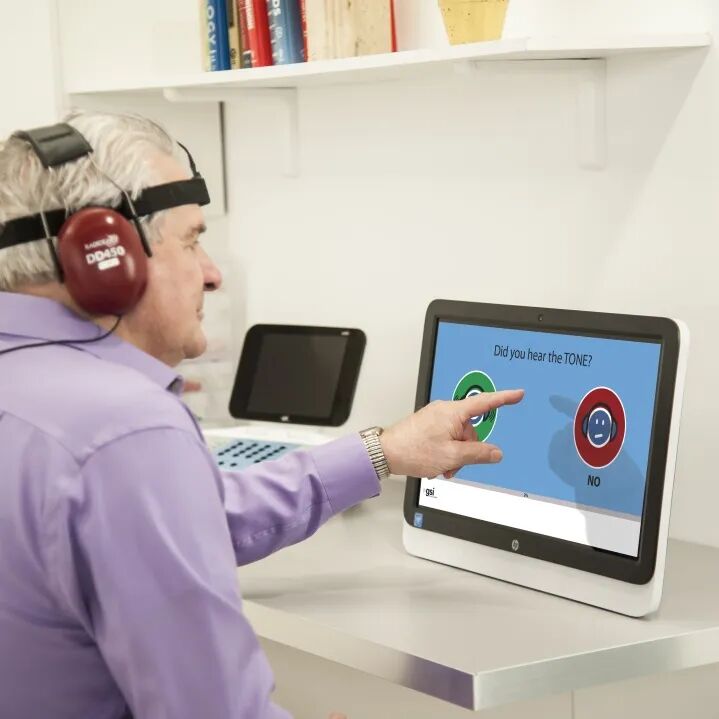
For adults without identified risk factors, the article suggests an examination every three to five years at ages 18–39 and every one to three years from age 40. It lists otoscopy to check wax and ear-canal problems, pure-tone audiometry by air conduction and bone conduction when needed, speech recognition in quiet, and tympanometry or other middle-ear assessment. Examination frequency should be tailored to symptoms, risk and professional guidance.
The article recommends an annual comprehensive assessment for people with greater risk, including frequent headphone users, people often exposed to loud workplaces or entertainment venues, those who already notice tinnitus, ear fullness or difficulty hearing, adults over 60, and people who have used potentially ototoxic medicines. It also mentions extended high-frequency testing above 8 kHz and, when indicated, tinnitus matching or speech-in-noise testing such as QuickSIN.
For children, the article cites newborn hearing screening within the first month and periodic follow-up during preschool and school years. It advises timely evaluation for delayed language development, reduced attention in learning or frequent requests for repetition.
Six hearing-care habits for 2026
- Manage noise exposure. Prolonged exposure at or above 85 dBA increases the risk of noise-related hearing loss. Hearing protection is advised for concerts, bars and construction environments.
- Use headphones thoughtfully. The article describes a “60–60” rule: no more than 60% of maximum volume for no more than 60 minutes continuously. It favors active noise cancellation and advises against turning up volume to compete with noisy surroundings. Device volume percentages are not a reliable measure of actual ear-level exposure for every device.
- Allow recovery after loud sound. The article suggests 12–24 hours away from high noise after exposure and treats temporary muffled hearing or tinnitus as warning signs of excessive stimulation. Persistent symptoms warrant professional assessment; the suggested rest interval is not a guarantee of recovery.
- Avoid unnecessary ear digging. The ear canal has a self-cleaning mechanism. Improper cleaning may injure the canal, push wax into a plug or perforate the eardrum.
- Use potentially ototoxic medicines carefully. The article names some aminoglycoside antibiotics, certain chemotherapy medicines and high-dose or long-term use of some diuretics. People who need such treatment should tell their clinician about hearing concerns and follow recommended monitoring; they should not stop prescribed medicine on their own.
- Take difficulty hearing seriously. Do not dismiss it as age alone. Clinical assessment can identify appropriate options, which may include hearing aids or auditory rehabilitation.
Hearing care works best when concerns are identified and assessed early and listening risks are managed over time.
References listed in the article
- WHO, Make Listening Safe Initiative.
- Hearing impairment and dementia: cause, catalyst or consequence?
- American Academy of Audiology clinical practice guidelines and American Speech-Language-Hearing Association (ASHA) materials.
- CDC, Early Hearing Detection and Intervention (EHDI).
- NIOSH, Noise and Hearing Loss Prevention.
- WHO, Make Listening Safe: Personal Audio Systems.
- Moore BCJ, An Introduction to the Psychology of Hearing.
- American Academy of Otolaryngology–Head and Neck Surgery (AAO-HNS) materials.
- ASHA, guidance on audiologic management during ototoxic drug treatment.