

Five Everyday Factors That Can Shorten Hearing-Aid Life
Hearing aids are delicate electronic devices, and everyday care can affect how long they work well. A company care guide identifies five common mistakes. Its opening anecdote contrasts one neighbor's aid still working after eight years with another needing repeated repairs; the guide's claim that avoiding mistakes can extend life two- to threefold is not backed by comparative data in the article.
1. Cleaning incorrectly
Earwax can block the receiver and degrade sound. Pushing a toothpick, tissue or paper clip into the sound outlet can damage small components. The guide recommends cleaning the surface and outlet daily with a suitable brush and cloth, and changing the wax guard about once a month, subject to the device maker's instructions.
2. Allowing moisture to accumulate
Water from washing, bathing or perspiration, or storage in a damp bathroom, can harm a device. The guide suggests wiping it after removal each evening, removing a replaceable battery and using an electronic drying box. Users of rechargeable or sealed devices should follow the manufacturer's care instructions rather than remove a battery that is not user-removable.
3. Leaving the device unprotected
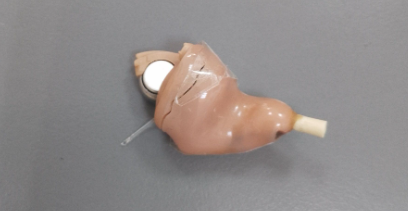
Dropping or striking an aid can break its shell or internal parts. Leaving it on a bed, table or in a pocket also increases the chance of losing it or putting it through a wash. The guide recommends storing the aid in its case after removal and considering a retention cord, especially in crowded places.
4. Misusing replaceable batteries
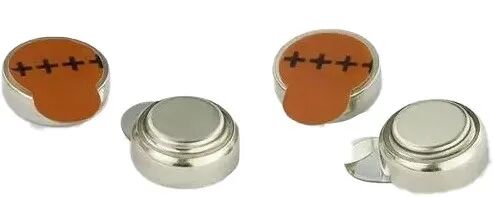
Unsuitable or poor-quality cells may leak and corrode internal parts. The guide advises using the specified zinc-air button cells, replacing them when a low-battery alert sounds and removing them for long storage. Battery procedures depend on the model and should follow the manufacturer's instructions.
5. Skipping professional follow-up
Hearing needs and fitting settings may change, while some deeper cleaning requires professional tools. The guide suggests returning to a fitting center every three to six months for a hearing review, programming check, performance test and maintenance. The interval is the company's recommendation, not a universal clinical schedule.
Careful cleaning, drying, storage and professional support can help users avoid preventable problems and keep their aids functioning as intended.
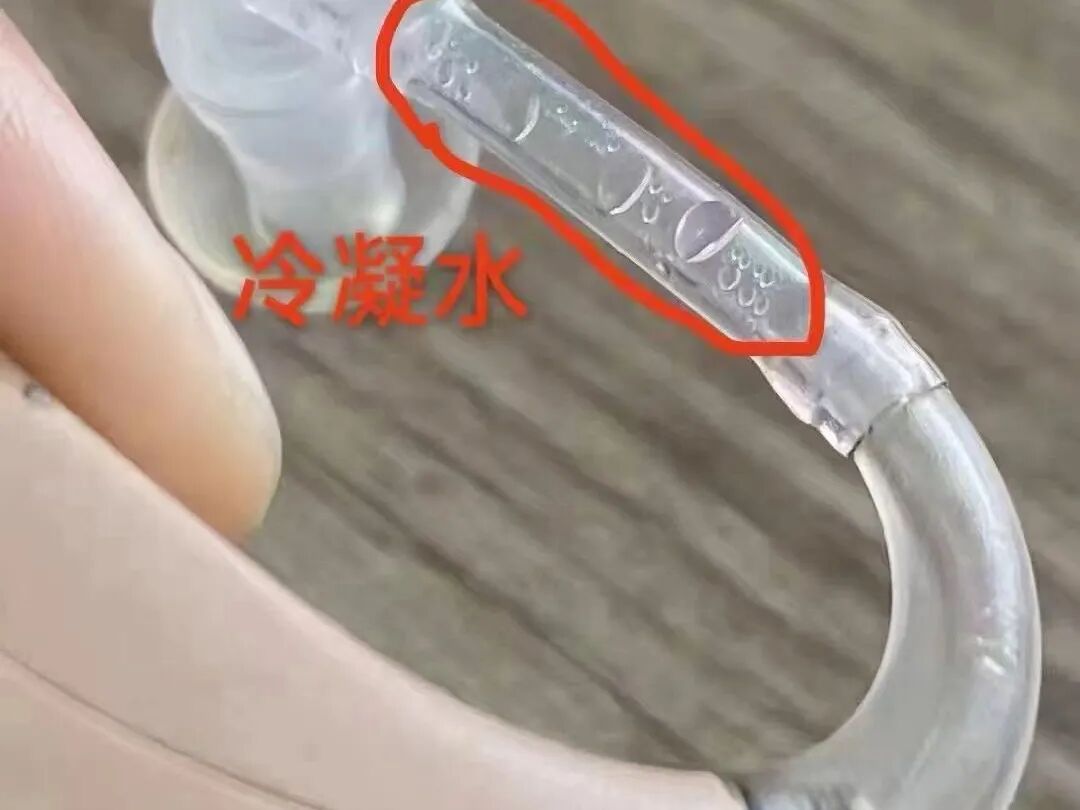
A red outline highlights moisture droplets inside a transparent tube. The Chinese label reads “condensation water.”