

Zebrafish Study Identifies Separate Genetic Controls for Hair-Cell Regeneration
Two distinct genes appear to control the regeneration of zebrafish sensory hair cells independently. The finding may guide future research into human hearing loss, but it does not establish a way to regenerate human hair cells.
Key points
- Zebrafish naturally replace sensory cells resembling those of the inner ear. Two different cyclin D genes separately govern division of stem cells and their progenitor cells.
- Gene-manipulation experiments suggest that different cell groups within one organ can be controlled independently, a possible route toward regeneration without exhausting the stem-cell supply.
- The findings may help researchers investigate why mammals, including humans, do not normally regenerate these cells and whether similar processes could ever be induced.
Humans regularly renew some cells, including those in blood and the intestine, but many damaged tissues do not recover naturally. Damage to the inner ear's tiny sensory hair cells can lead to lasting hearing loss, deafness, or balance problems. Fish, frogs, and birds, by contrast, can regenerate sensory hair cells.
Scientists at the Stowers Institute for Medical Research have identified how two genes guide sensory-cell renewal in zebrafish. Study coauthor Tatjana Piotrowski, a Stowers investigator, said mammals do not regenerate inner-ear hair cells, and hearing and balance can decline with age or prolonged noise exposure.
The Piotrowski laboratory study, published in Nature Communications on July 14, 2025, examined how cell division can support hair-cell replacement while preserving a stable stem-cell supply. Led by former Stowers scientist Mark Lush, the team found that two cell-division genes govern proliferation in two different sensory supporting-cell populations. Whether this mechanism could be triggered in human cells remains a question for future research.
Cells must proliferate to replace those that die or are shed, Piotrowski explained, but that requires a reservoir of cells capable of dividing. Understanding regeneration therefore means learning when stem cells and their descendants divide and when they differentiate.
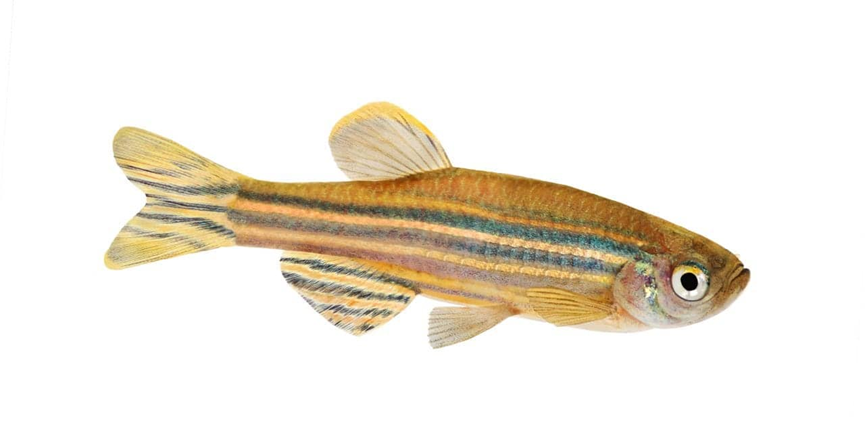
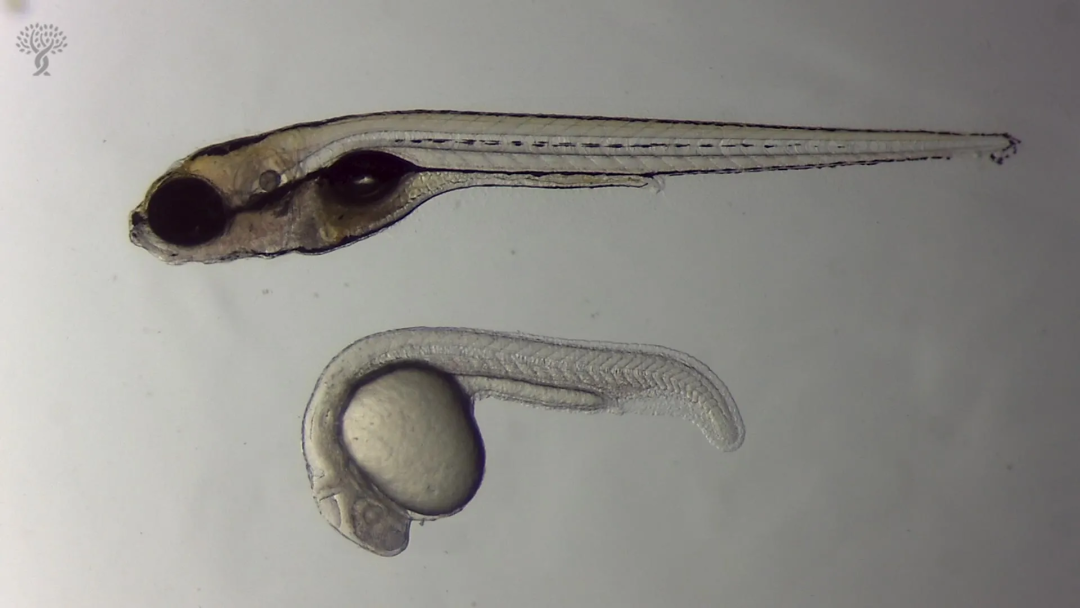
Zebrafish provide a visible model. Sensory organs called neuromasts run in a line from head to tail. Each resembles a garlic bulb, with hair cells at the top and supporting cells around it that make replacement hair cells. These receptors detect water movement and resemble cells in the human inner ear. Because developing zebrafish are transparent and their sensory organs are accessible, researchers can observe individual neuromast cells and sequence or alter their genes. This helps them examine stem-cell renewal, proliferation of progenitors—the immediate precursors of hair cells—and hair-cell regeneration.
Piotrowski said manipulating genes lets the team test which are essential for regeneration. Their goal is to understand why mammals cannot regenerate comparable cells and whether that process might one day be induced.
Two supporting-cell groups participate in a neuromast's regeneration: active stem cells at its edge and progenitors nearer its center. Through symmetric division, they keep producing hair cells without depleting the stem-cell pool. Sequencing revealed that each of two cyclin D genes was active in only one of the two populations.
The researchers modified each gene in stem cells and progenitors. Loss of one gene stopped division only in its corresponding population, Piotrowski said, showing that the populations could be regulated separately. Progenitors lacking their particular cyclin D gene could no longer proliferate but could still differentiate into hair cells. Introducing the stem-cell-specific cyclin D gene into progenitors restored their ability to divide. The results separate the processes of division and differentiation.
David Raible, a University of Washington professor who studies the zebrafish lateral-line system, said the work describes a mechanism that maintains neuromast stem cells while permitting hair-cell regeneration. It could prompt investigation of whether a comparable process exists, or could be activated, in mammals. Because cyclin D genes also regulate proliferation of many human cells, including blood and intestinal cells, the team sees possible relevance beyond hearing. Piotrowski suggested zebrafish findings may inform studies of tissues that do, and those that do not, regenerate naturally.
Other authors were Ya-Yin Tsai, Shiyuan Chen, Daniela Münch, Julia Peloggia, and Jeremy Sandler. Funding came from the US National Institute on Deafness and Other Communication Disorders (grant 1R01DC015488-01A1), the Hearing Health Foundation, and institutional support from Stowers. The authors alone are responsible for the work; it does not necessarily represent official NIH views. Image credit in the original article: online image, with no specific creator identified. Original Hearing Review report.