

Protecting Hearing Aids from Sweat, Moisture, and Earwax
Sweat, moisture and earwax can create maintenance problems for hearing aids, particularly during hot weather. Tingoton says intermittent sound, reduced clarity and other faults may sometimes reflect inadequate care rather than a manufacturing defect. Drawing on its own fitting experience, the company attributes 90% of hearing-aid faults to moisture, sweat and earwax, but does not provide a study or repair-record analysis to support that percentage.
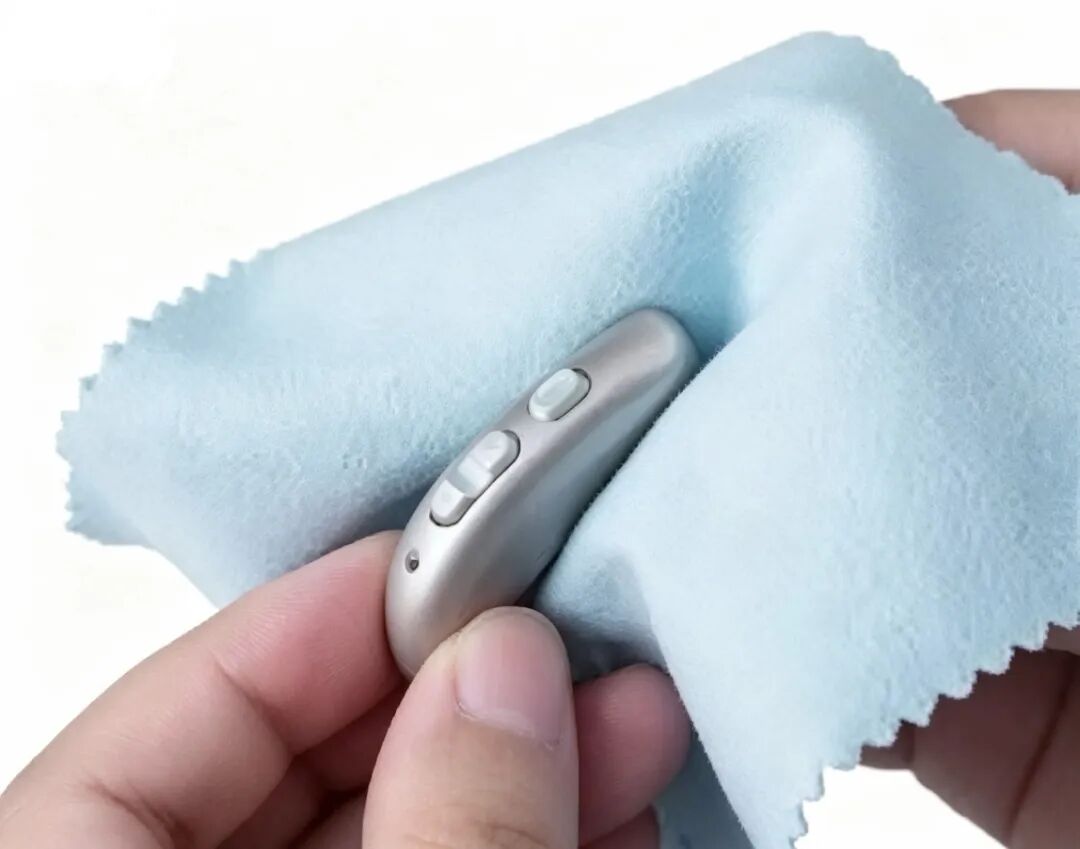
Wiping the surface may not remove moisture or residue from openings and internal spaces. Tingoton says salt and water from perspiration can enter through microphone openings and battery-compartment seams and contribute to corrosion or faults in microphones, receivers and circuitry. The article promotes a vacuum care device for users who sweat heavily or have recurring moisture-related faults.
Why Tingoton recommends vacuum care
1. Moisture removal
The company says negative pressure and controlled heat draw moisture from openings, earhooks, sound tubes and small channels. It claims drying performance ten times stronger than an ordinary drying box and operating noise below 50 dB. It presents this as useful during humid summers and rainy seasons. The source gives no test method for the tenfold comparison or proof that all internal moisture is removed.
2. Wax and dust removal
Tingoton says its device has suction and blowing modes intended to remove wax, skin flakes and surface dust from microphone and receiver areas. It claims the process avoids damage to internal parts and helps preserve sound quality. Suitability of any suction or blowing treatment depends on the hearing-aid model and manufacturer care instructions.
3. UV-C treatment
The company describes a UV-C function and claims it kills 99% of common bacteria on device surfaces and within openings. The article does not identify organisms, exposure conditions or a laboratory report for that claim; UV treatment should not be taken as proof of medical sterilization or safety for every material.
4. Short care cycle
Tingoton says one-button operation completes cleaning, moisture removal and UV treatment in 15 minutes. It describes the device as compact enough for home use or occasional travel.
Who might consider additional care?
- People whose hearing aids are often exposed to sweat during summer or daily activity.
- Users experiencing repeated intermittent sound or reduced clarity after repairs.
- People living in humid or coastal areas.
- Families supporting older adults or children who use hearing aids.
- Owners seeking to limit maintenance costs and extend device life.
These are Tingoton's suggested use cases, not evidence that the device prevents faults for those groups. The article's general care reminder is to control moisture and wax and protect the aid from drops. It suggests opening a user-accessible battery door and wiping perspiration after removal at night. Rechargeable or sealed models must follow their own manufacturer's instructions; do not open a compartment that is not intended to be opened.