

When a Custom Earmold May Improve Hearing-Aid Fitting
What is a custom earmold?
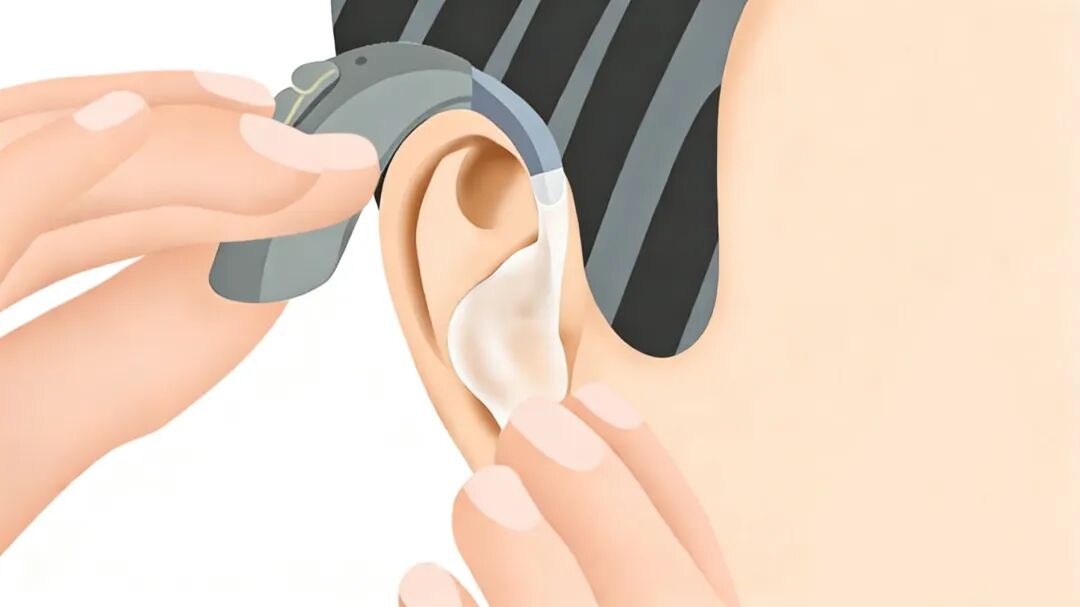
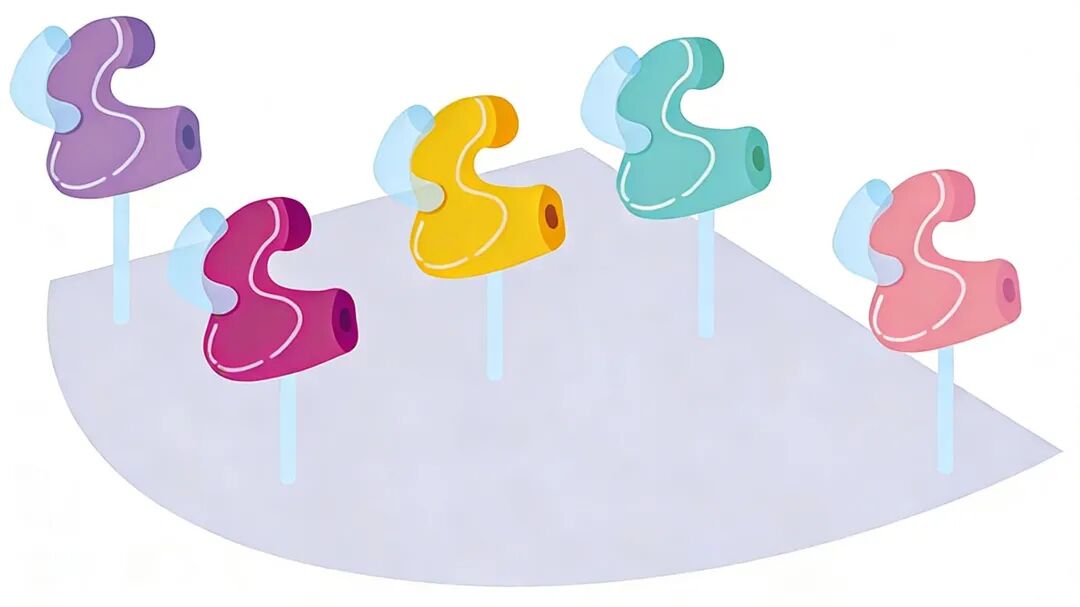
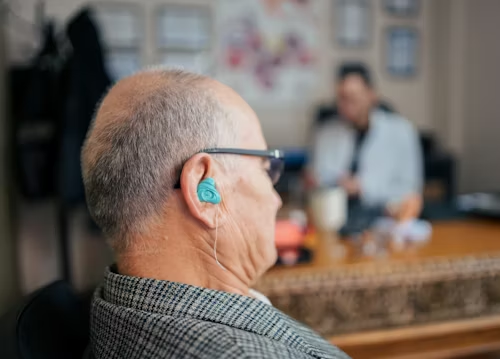
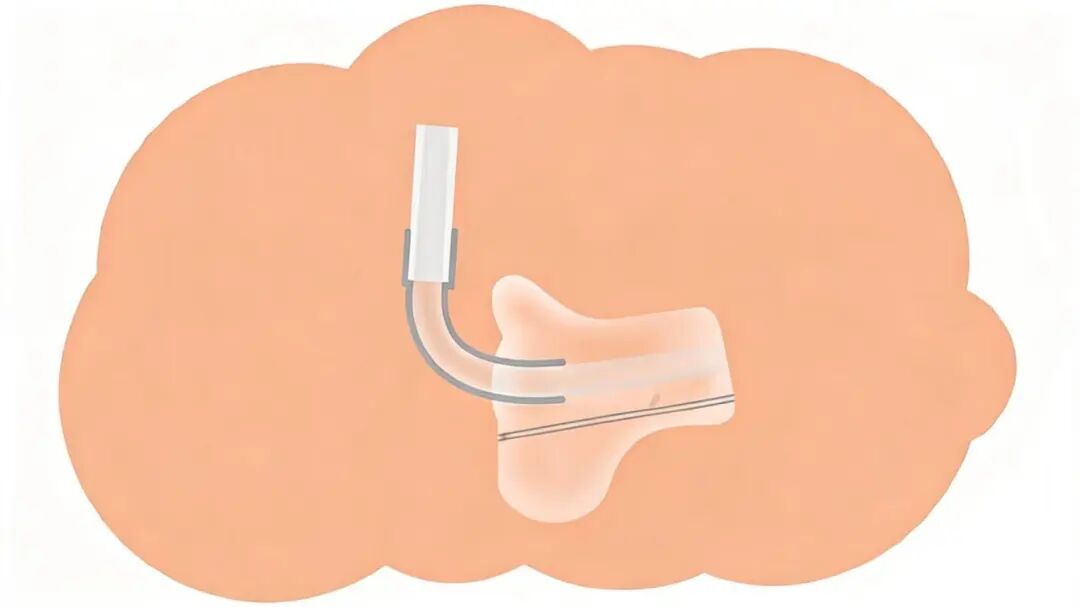
An earmold is an acoustic attachment shaped to fit the ear canal and concha and connect the ear to a hearing aid. The article compares a custom mold with a shoe made for a particular foot and argues that a universal tip may not fit every user as well. Not every hearing-aid user needs a custom earmold; the choice depends on hearing needs, device type and a professional fit assessment.
Three possible benefits
1. Feedback control and sound quality
Acoustic feedback can occur when amplified sound leaks from the ear and is picked up again by the hearing-aid microphone. A well-fitted earmold may improve the seal and reduce feedback, particularly where more gain is needed. The article emphasizes people with hearing loss above 70 dB, though no single threshold determines whether a mold is required. Vent size and other acoustic choices may also affect occlusion, pressure sensation and high-frequency sound delivery.
2. Retention during activity
A mold designed for the contours of the outer ear and canal may stay in place better than a generic tip for some users, reducing the risk of a device falling during walking, exercise or play. The article claims that custom molds reduced hearing-aid detachment among children from 43% to 12%, but it does not identify the study or setting behind those figures.
3. Comfort and maintenance
Ear canals differ in width, curvature and shape. A custom mold may help when a standard tip causes pain, looseness or poor sealing. The article mentions soft medical-grade silicone and resin and discusses older adults with changing ear tissue, people with unusual canal anatomy and postoperative narrowing. It also suggests a mold can help keep wax out of a device. Material suitability, comfort and maintenance needs must be assessed for the individual.
Who might benefit from a mold?
Hearing-care staff at Le Sheng Hearing are described as recommending custom molds for people with loss of 50 dB or more, unusually narrow or curved canals, children whose ears are still growing, active users and people who experience feedback, blockage or pain with standard tips. These are the provider's criteria, not universal rules that all such users must receive a custom mold.
Professional fitting and replacement
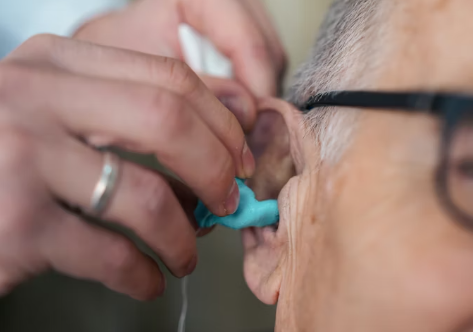
The article outlines a fitting process: hearing assessment, including pure-tone and speech testing and real-ear analysis; an ear impression taken by a trained professional; and selection of mold type, vent size and material before manufacture. Appropriate tests and methods depend on the clinical situation.
Molds need periodic checking. The article suggests assessing fit every three months for children aged 0–3 and replacing molds about every six months for those aged 3–6 as the ear grows. Adults should seek a new fit when a mold is damaged, deformed or uncomfortable. It gives one to three years as a typical interval for soft molds and says hard molds may last longer with cleaning and care. These intervals are the article's suggestions, not fixed schedules for every wearer.
A hearing-care professional can determine whether an earmold, another type of tip or a different fitting approach best supports a person's hearing aid.