

EuroTrak 2025 Highlights Low Use of Hearing Protection in the UK
EuroTrak UK 2025 reported that 70% of respondents with hearing loss never use hearing protection. The figures highlight low use at music events, workplaces and sports venues. BIHIMA argues that awareness has not yet translated into protective habits and that noise exposure can affect hearing, work, wellbeing and communication. The British Irish Hearing Instrument Manufacturers Association (BIHIMA) called for ear protection to become as ordinary as sunscreen or a seat belt.
Hearing protection at music festivals
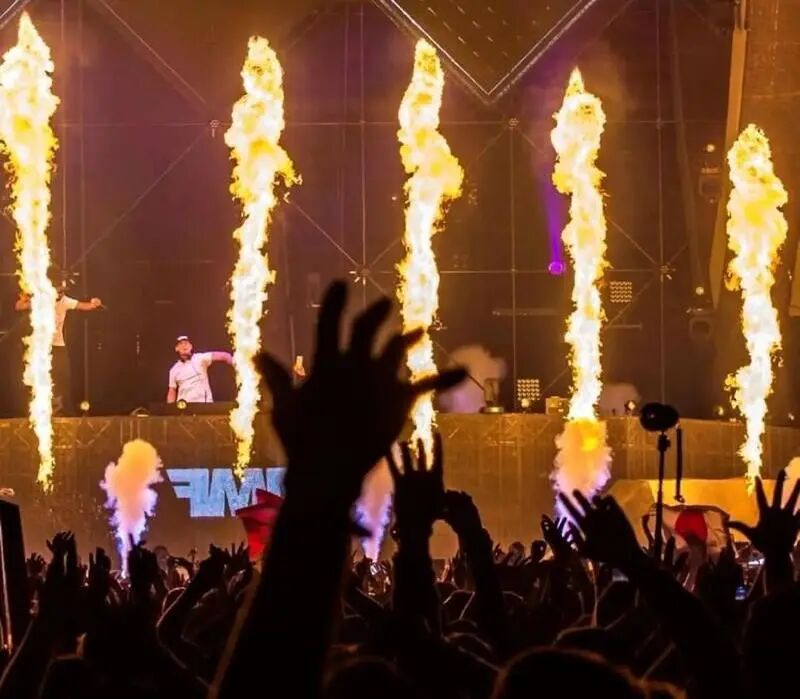
Only 10% of respondents with hearing loss reported using hearing protection at music events, according to the EuroTrak figures cited. BIHIMA says festival sound can exceed 100 dB and that injury may occur in less than 15 minutes at those levels. Individual risk depends on actual sound level and exposure time.
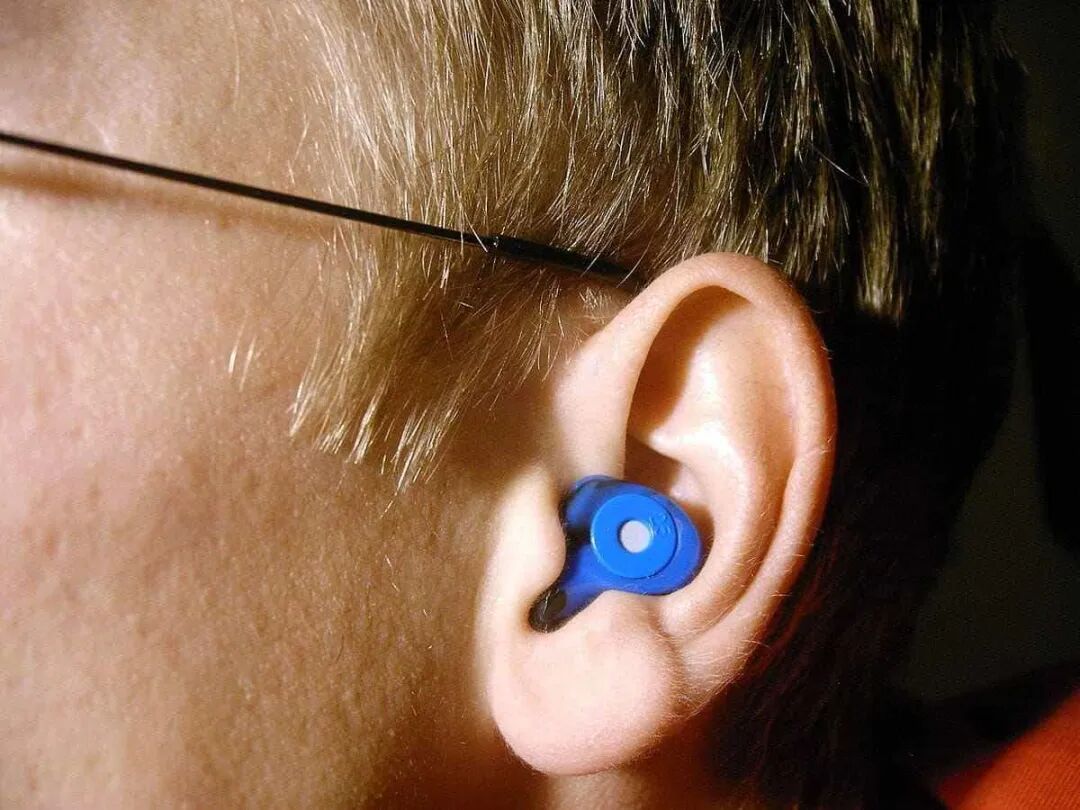
BIHIMA chair Paul Surridge said many people still assume earplugs make music sound dull or are useful only to professionals. He argued that modern hearing protection is designed to reduce harmful exposure while preserving the character of music and other sounds. BIHIMA had issued repeated warnings about festival risks for younger people, but Surridge said the survey showed little behavior change.
Hearing protection at work
EuroTrak also found that only 10% of respondents with hearing loss used protection at work. The article mentions the UK Health and Safety Executive's workplace noise-intervention program for high-noise industries and says exposure can also matter in offices with noisy ventilation, busy kitchens, call centers and logistics warehouses.
Surridge said hearing loss can affect efficiency, communication and wellbeing beyond the individual, and that employers have both a duty of care and a chance to prevent later costs. Ben Hancock of Oscar Acoustics cited a company study in which 30% of participants chose to work at home to avoid office noise, about one-third changed commuting hours to avoid noisy periods, and one-fifth reported noise-related conflict.
Hancock said open-plan offices, hard floors and a lack of sound-absorbing ceilings can make modern workplaces harder to use. He linked noise to employee wellbeing, collaboration, staff retention and cost. Those figures come from the company study Hancock cited, not a national sample.
Hearing protection at sports events
Only 5% of respondents said they wore hearing protection at sporting events. The article says motorsport can reach 105 dB and argues that even a short unprotected visit may be harmful. Engines and crowds can add to cumulative exposure, while public awareness campaigns at sports venues are described as scarce.
How to make protection easier
BIHIMA urged action by several groups:
- Festival organizers can print earplug reminders on tickets and make protective products available on site.
- Employers can offer regular hearing checks and provide suitable protection as workplace personal protective equipment.
- Sports venues can use prominent signs and make protection easy for spectators to obtain.
- Hearing-care professionals can educate patients and encourage proactive hearing care.
Surridge said people still associate hearing loss only with older age or noisy construction jobs, although noise-induced loss can affect anyone and may be irreversible. He called for public education, employer support, professional training and wider access to effective protection in loud places.
What is EuroTrak?
EuroTrak is a large cross-national survey program initiated and operated by the European Hearing Instrument Manufacturers Association (EHIMA). It tracks hearing loss, hearing-aid use and related quality-of-life measures across participating countries. The percentages above describe survey responses, not direct measurements of every person's exposure.
Original report: The Hearing Review.