

How Seafood Intake Was Associated with Tinnitus Risk
Interview with Dr Sharon Curhan. Dr Curhan, a physician and epidemiologist at Brigham and Women's Hospital and Harvard Medical School, discussed research published in the American Journal of Clinical Nutrition on seafood intake and the incidence of persistent tinnitus. The reported associations differed by seafood type. They are observational findings, not proof that eating particular foods prevents or treats tinnitus.
How was this study different from earlier diet research?
Curhan said few earlier studies could examine diet and new-onset tinnitus over time in a large, well-characterized group. The Nurses' Health Study II (NHS2) followed more than 73,000 women for decades and collected detailed, updated information on diet, tinnitus and other relevant factors. Its longitudinal data allowed the team to estimate associations after adjusting for several potential confounders and to examine seafood types and fish-oil supplement use separately.
Which seafood types and serving frequencies were associated with lower risk?
Participants who regularly ate seafood had a lower incidence of new persistent tinnitus in the study. Curhan described a roughly linear relationship with weekly frequency, but said its size varied by food. Canned tuna, light-meat fish and shellfish were associated with lower risk, while dark-meat fish showed a higher-risk association.
Compared with women who rarely or never ate seafood, those eating one serving per week had about 13% lower incidence of persistent tinnitus; those eating two or more servings had about 20%–23% lower incidence. By type, one or more weekly servings of canned tuna were associated with a 16% lower incidence, light-meat fish with 10% lower incidence and shellfish with 18% lower incidence, each compared with rare or no intake of that type.
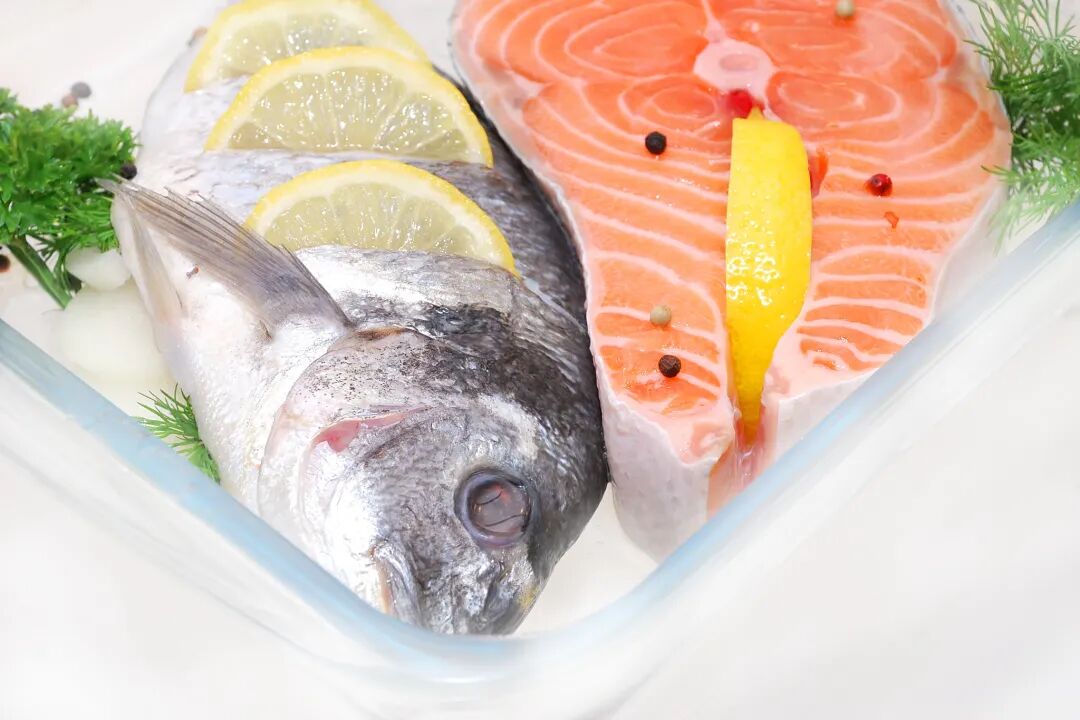
Curhan defines a serving of canned tuna as 3–4 oz (85–113 g). A serving of dark-meat fish—examples include tuna steak, mackerel, salmon, sardines and swordfish—is 3–5 oz (85–142 g). A serving of light-meat fish, such as cod, haddock or halibut, is also 3–5 oz (85–142 g). Shellfish such as shrimp, lobster, scallops or clams count as a serving when eaten as a main dish.
Which associations ran in the other direction?
Curhan said women who ate dark-meat fish, including tuna steak, mackerel, salmon, sardines and swordfish, had a higher observed tinnitus risk in this analysis. Fish-oil supplement users had a 12% higher incidence of persistent tinnitus. These associations do not show that the fish or supplements caused tinnitus.
The interview also discusses supplement quality and regulation. Curhan said fish-oil supplements had no US Food and Drug Administration (FDA) approval as an over-the-counter medicine or for a clinical indication, and that dietary supplements are regulated differently from prescription and over-the-counter drugs. She raised concerns about inconsistent content and labels, product quality, possible impurities or contaminants, and large differences in omega-3 fatty-acid dose between products. The safety and effectiveness of brands may differ, she said; studies using supplements of known content and quality are needed. These are Curhan's descriptions of supplement regulation at the time of the interview.
Can changing diet help someone who already has tinnitus?
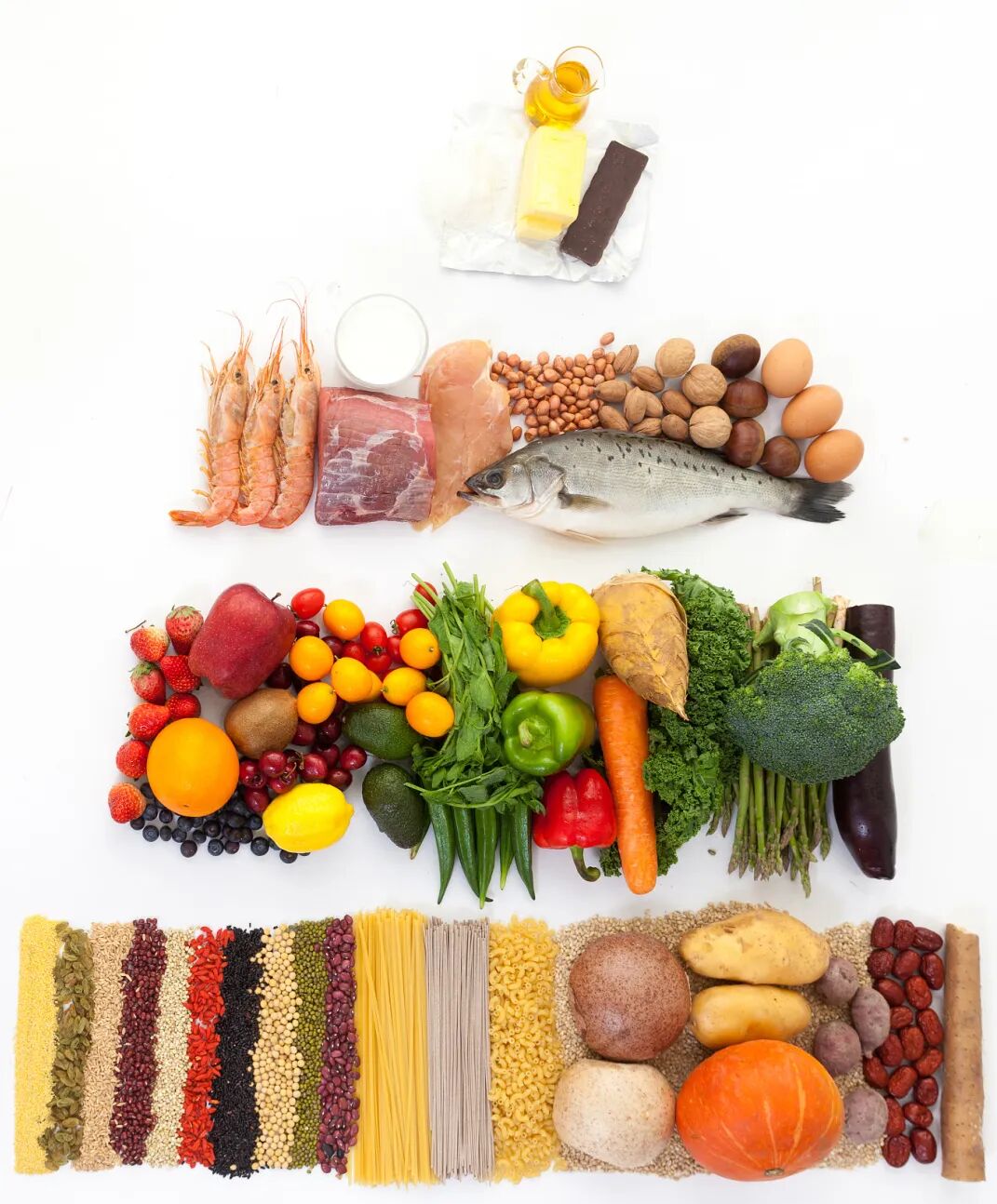
Curhan described fish and shellfish as components of a balanced diet, providing long-chain omega-3 polyunsaturated fatty acids, vitamin D, B vitamins, folate, minerals including selenium, iron, zinc, iodine, magnesium and potassium, and protein with relatively little saturated fat. She cited earlier research associating seafood intake with lower hearing-loss risk and other studies associating one or two fish meals per week with lower risks of cardiovascular, mood, neurodegenerative and other chronic conditions. Those references do not establish the effect of a specific dietary change for an individual.
The tinnitus study did not make clinical recommendations about fish-oil supplements. Curhan suggested that people discuss potential benefits, risks and product-quality questions with their health-care professional. It also did not test whether seafood relieves symptoms in people who already have persistent tinnitus; Curhan said a separate study was underway to examine that question.
Why did the study include only women?
The NHS2 cohort consists of women and offered decades of detailed health, diet, lifestyle and tinnitus data, along with biological samples. Curhan said it could help researchers examine metabolic, genetic and microbiome factors in tinnitus and other hearing conditions. She described the all-female cohort as addressing a gap in research on women. Studies in men and other populations are still needed; she speculated that the association might be similar in men but did not present male data.
How might hearing-care professionals discuss these findings?
Curhan wanted greater recognition that hearing health and healthy aging influence one another. She described balanced diet, healthy weight, exercise and avoiding smoking as broad health measures and referred to research on heart disease, type 2 diabetes, stroke, memory loss and neurodegenerative disease. Within that larger discussion, she said regular seafood intake—particularly canned tuna, white-meat fish and shellfish—might be associated with lower tinnitus risk. Clinicians should present the result as an association, not a dietary treatment prescription.
What research comes next?
Curhan said the CHEARS research program focuses on hearing, health and wellbeing across life. Her team is seeking modifiable risk factors, biological and physiological mechanisms, tinnitus subtypes, possible preventive strategies and treatment targets. She encouraged a more integrated view of people with tinnitus, including study of how nutrition may relate to hearing health. The work is intended to inform future prevention and care, not to establish that persistent tinnitus can currently be prevented or cured through seafood intake.
Original interview: The Hearing Review.