

Study Finds Twang Voice More Intelligible in Simulated Noise
A study published in JASA Express Letters found that, in simulated noise, listeners understood female “twang” speech more readily than neutral-voice speech. The result may inform voice therapy and communication in difficult listening conditions, but clinical benefit has not been demonstrated.
Key points
- Twang speech, especially female twang speech, was more intelligible than neutral speech in the noise tested. The researchers suggest its higher pitch and reduced masking by lower-frequency noise may help explain the difference.
- The perceptual findings may give speech therapists more evidence when considering twang techniques, while clinical usefulness remains to be tested.
- Future work will examine other noisy settings, real-world therapeutic effects, social acceptability, and the effort of producing twang.
Twang is familiar from country music and many regional accents. Often described as bright or metallic, it may help a voice carry in noise. Indiana University researchers reported their findings in JASA Express Letters, published by AIP Publishing for the Acoustical Society of America.
The sound occurs in accents associated with US cities including Chicago, Boston, New York, and Dallas. Speech therapists also use it to help patients improve intelligibility. Study author Tzu-Pei Tsai said acoustic work had suggested a possible advantage, but direct evidence of its effect on comprehension was lacking; that gap had made some clinicians hesitant to recommend it.
The team recorded four men and four women producing twang samples, then used the recordings to build an experimental text-to-speech system. Generated twang and neutral speech samples from male and female voices were played against simulated noise combining train and aircraft sounds. Listeners rated how much effort understanding required and how much of the speech they understood.
Overall, twang speech was easier to understand than neutral speech in that setting; female twang speech was the easiest of the tested voices. The researchers suggest twang may sound perceptually louder because it generally has a higher pitch and may be less masked by low-frequency traffic noise.
Tsai said the team wants to test intelligibility in other noise environments and examine whether twang can be useful in voice therapy, including its social acceptability and vocal effort.
What is twang?
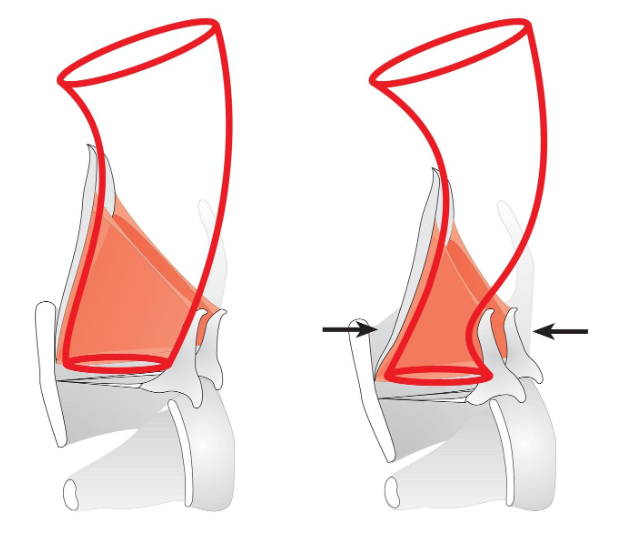
Twang is a bright, sharp, sometimes metallic vocal quality—likened here to a witch's laugh or a child's teasing “nyah nyah nyah.” It involves narrowing the laryngeal vestibule and pharynx, increasing spectral energy in the formant region and raising the F1 and F2 formant frequencies, according to the article. It occurs in country singing and some regional accents.
Image credit in the original article: online image, with no specific creator identified. Original Hearing Review report.